

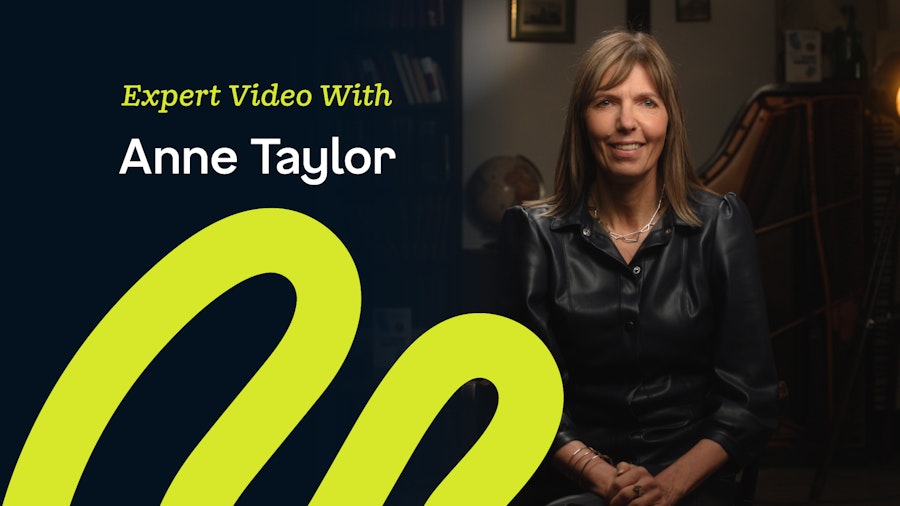
How does influencing senior-level peers differ to influencing others? This expert video explains the key factors and what to keep in mind.
Key Takeaways: pursuading senior colleagues
- Understand their motivation and aims. Different people have different motivations and goals, know what they are before influencing them.
- Build rapport. Influencing isn't about authority, so having rapport means you'll have common ground for changing opinions.
- You're always influencing. Whether you know it or not, your leadership always casts a shadow. So be aware of what your influence is.
About Anne Taylor
Anne Taylor is an International Leadership and Executive Coach with clients including Nestle, Ford Automotive and London Business School. Anne is also an author, with titles including the award-winning Soft Skills Hard Results.
Let's Act: developing your influence
When you're influencing, you're typically not coming from a position of authority in a power dynamic, especially with senior-level peers. Instead, it's about shaping or changing their views which in turn requires a degree of knowing who they are.
Access the essential membership for Modern Managers
So make this commitment today:
- Ask the next three people you speak to, "What's one exciting thing you've got coming up?"
See what their answer is and follow up with some questions about what it is and why they're excited for it. Having influence means building good connections.
Explore more Mindtools resources on leadership influence to continue your learning:
Article: John Kotter: Leadership and Influence
Skillbooks: Building Influence
Exercises: Appropriate Influencing Styles
Access the essential membership for Modern Managers
Self-Assessment: How Strong Are Your Influencing Skills?
Article: The Influence Model
Share this post
Discover more content

French and Raven’s Forms of Power
A good leader knows how to use their power positively. Discover the different forms of personal and positional power defined by French and Raven.

Organisational Sources of Power
How power is generated within organisations, and how it can be used to gain support for a strategy.

What’s the Role of the CEO in a Hybrid Environment?
The role and very identity of senior leadership has changed as the working landscape has changed. Explore strategies for leading your organizations effectively in the new world of hybrid and remote working.