

Have you ever noticed that your message seems to get through more easily to certain people, or in certain situations?
To be a truly effective communicator, it's important to understand different communication styles and adapt yours accordingly. That way, you can better get your messages across and create stronger working relationships.
So how do you do this?
A good start is to think about the people you've encountered before, and their styles of communication. This will help you to choose how best to communicate with them.
Remember though: don't be tempted to copy the other person completely – assess each situation in turn, and adapt your approach accordingly.
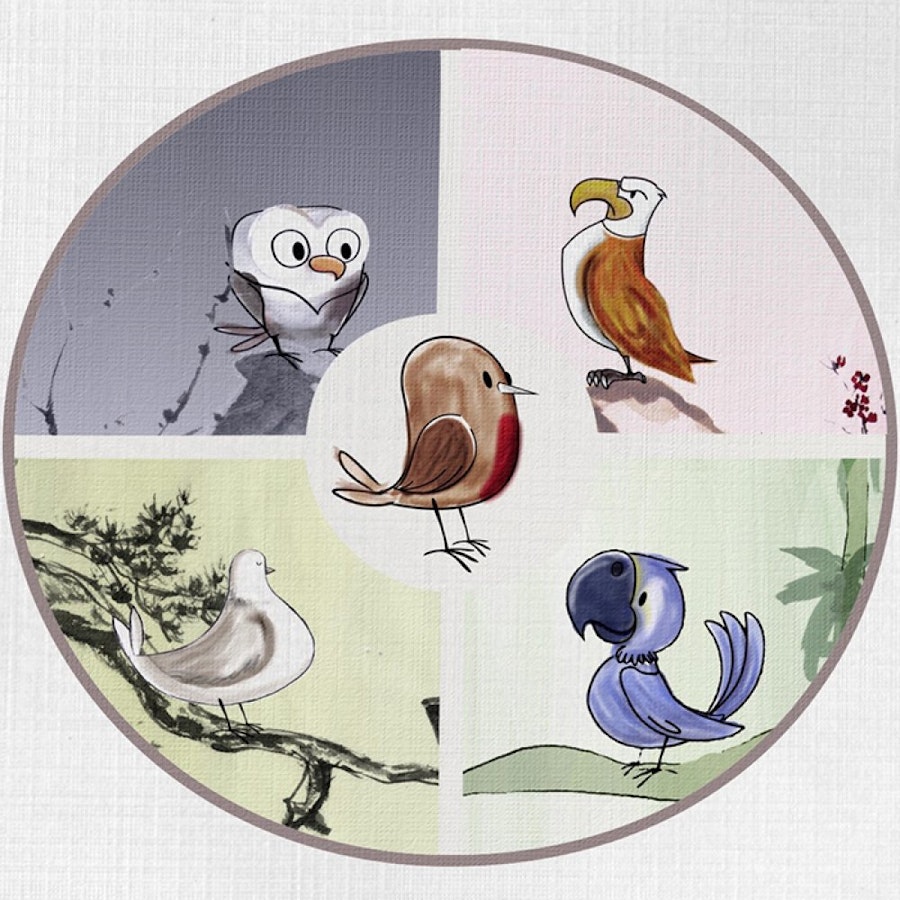
Let's look at four types of communication style:
Access the essential membership for Modern Managers
This eagle is direct and decisive, with a dominant communication style. She's self-confident, results-oriented, and likes to take control of situations.
If you're communicating with someone like this, forget the small talk! Be brief, organized and get straight to the business at hand.
The talkative, outgoing parrot is a people person, who loves to interact and has lots of enthusiasm.
When you're communicating with someone like this, be friendly and sociable, and perhaps add in some humor to the interaction. Give them plenty of opportunities to verbalize their thoughts, and offer your feedback straight away.
Calm, patient and controlled – the dove has a quiet, steady approach to communication. She's a supportive team player, and a good listener who prizes reliability.
When communicating with someone like this, try not to be aggressive or pushy. Patiently explain, step-by-step, how you will get things done – and do what you say you will, when you say you will.
Conscientious and logical – the owl has a careful, cautious communication style. He's an analytical thinker, who likes to focus on the detail and take his time before responding.
Access the essential membership for Modern Managers
When communicating with someone like this, it's important to be well-organized, accurate and patient.
Although these four styles are a simplification of complex human behavior, most people display one or two of them.
To identify the communication style of the people you're interacting with, ask questions, observe and use active listening. Then, adapt your own style accordingly.
This can be challenging at first. But, with practice, you'll soon be flying.
Reflective questions:
Once you've watched the video, you may wish to reflect on its content by considering the following questions:
- Can you think of a situation where your own communication style clashed with that of others? What happened?
- Do you generally use active listening techniques and observation to identify others' communication styles?
- How confident are you about adapting your communication style, without copying or mimicking the people you're communicating with?
- What steps could you take to improve your approach to communication and help get your messages across more effectively?
Share this post
Discover more content

The 7 Cs of Communication
Use this checklist, video and our worked examples to improve your skill as a communicator by creating messages that are accurate and engaging.

Communication Skills Analysis
This exercise is designed to aid individuals in assessing their personal communication skill set, and includes a guide and some advice for further uses and adaptations for the proposed individual communication skills audit. Allow 40 minutes for completion.

How to Communicate Upwards
Tailor your communication to achieve success when trying to influence upwards.